Living with Neuropathy—and Speaking Up
Living with a long-term illness that most people don’t understand can feel very lonely. But for one caring volunteer, that hard experience became a reason to help others and make a difference.
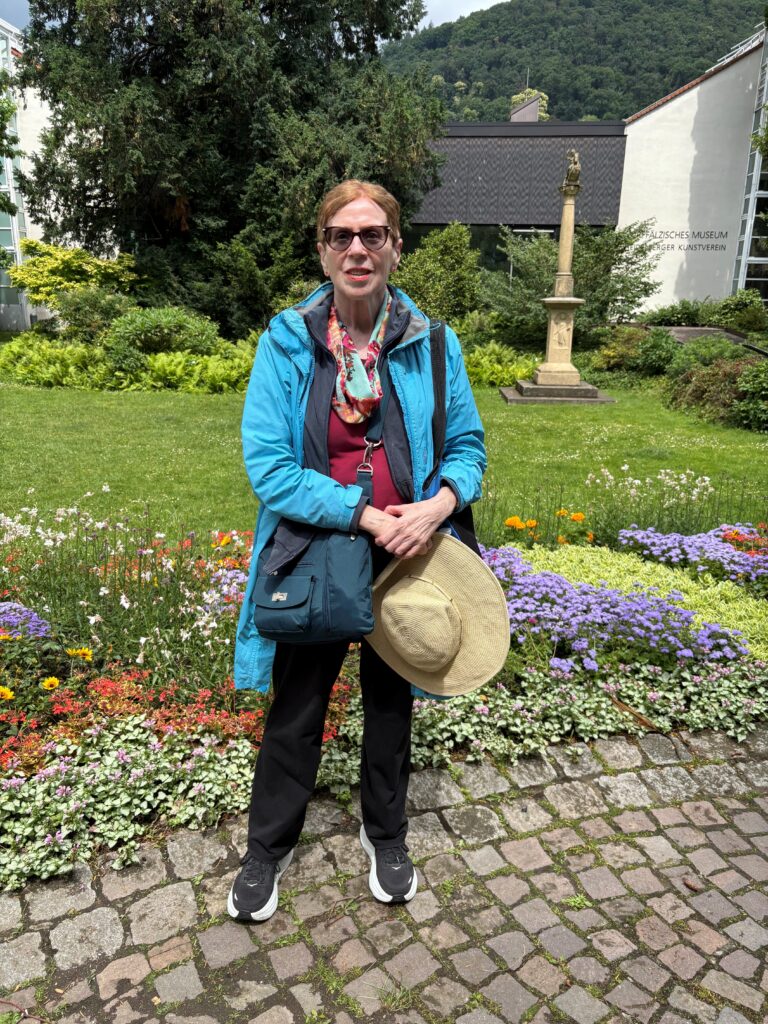
Meet Stacey U.
After getting peripheral neuropathy from a serious nerve injury, Stacey—who worked for many years in public relations—turned her personal struggle into a mission. She now helps others who are going through similar challenges. In this interview, Stacey talks about how finding support through the Foundation for Peripheral Neuropathy helped her get involved in advocacy. She even helped get official proclamations for Peripheral Neuropathy Awareness Week. Stacey also explains why it’s so important to bring attention to this often “invisible” condition.
Q: Can you introduce yourself and share how you became involved with the Foundation for Peripheral Neuropathy?
Fourteen years ago, after a severe nerve trauma caused me to develop peripheral neuropathy (PN), I experienced firsthand how complex—and often misunderstood—this painful medical condition can be. My search for answers, support, education, and community eventually led me to the Foundation for Peripheral Neuropathy (FPN).
When I was first diagnosed, finding coordinated care, clear information, and recognition of my condition was a significant challenge. Many people living with peripheral neuropathy can relate to how difficult it can be for others - including some medical providers - to fully understand and appreciate the impact that PN has on daily life and basic activities.
Through FPN, I discovered a community dedicated to education, research, advocacy, and awareness. I connected with knowledgeable medical providers, fellow patients and advocates, and found valuable educational resources that helped me better understand my condition.
I became involved with FPN because I wanted to help give a voice to people living with PN and support others who may not be able to advocate for themselves. I also hoped to help medical providers and caregivers better understand the patient experience and ultimately help move the needle toward better treatments - and one day, a cure.
Becoming involved with FPN gave me the opportunity to give back to an organization that helped me while also supporting a much larger community of patients and caregivers navigating the challenges of PN.
Q: You recently helped secure two proclamations recognizing 2026 Peripheral Neuropathy Awareness Week—what inspired you to take on that effort?
Having spent my career in public relations, I have always believed in the power of visibility and storytelling to support organizations that make a meaningful difference - especially those serving communities that are often underserved or misunderstood.
Awareness is powerful, but it requires many voices. Peripheral neuropathy affects 30 million people and includes more than 100 different types, including cancer treatments, surgery, a host of other medical conditions, or even unknown causes. Yet many people have never heard of PN.
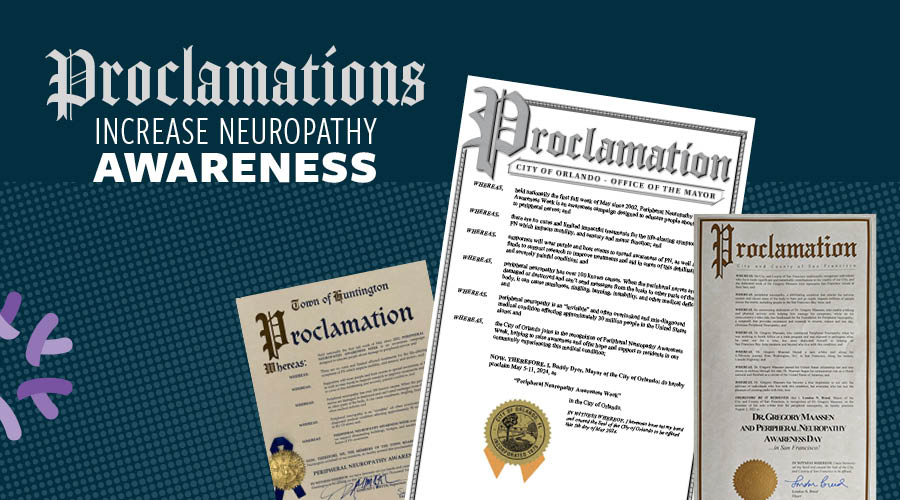
Proclamations help bring visibility to a painful and often underrecognized medical condition. They reinforce the need for continued research, education, improved diagnosis, and better treatments.
Each proclamation is a meaningful step forward. It’s a reminder to communities, leaders, and healthcare professionals that people living with PN are here—and that their experiences and symptoms matter. FPN’s awareness efforts help communicate an important mission and move progress forward at both the community and policy levels.
Q: For those who may not be familiar, what does a proclamation actually do, and why does it matter for peripheral neuropathy awareness?
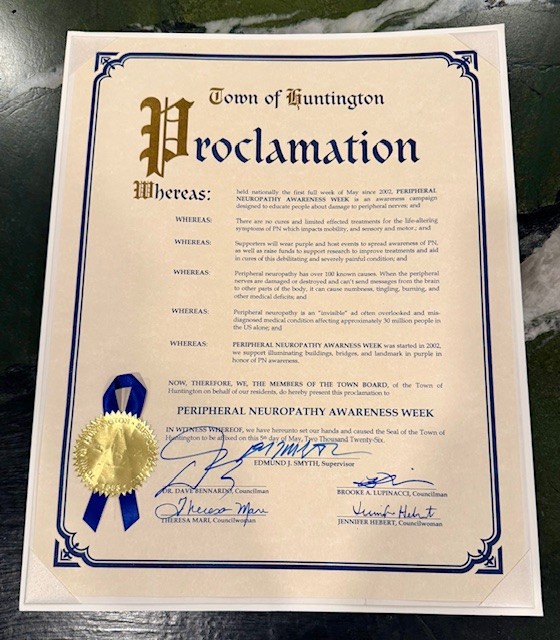
A proclamation is an official statement issued by a government office, often accompanied by a formal presentation, recognizing an issue of public importance.
For Peripheral Neuropathy Awareness Week, proclamations are typically requested by patients, caregivers, volunteers, or supporters who reach out to community leaders and elected officials six to eight weeks in advance to seek recognition of the condition and its impact.
These recognitions help educate communities, validate the experiences of patients and caregivers, and encourage healthcare leaders and policymakers to better understand the scope and seriousness of peripheral neuropathy.
Proclamations are powerful awareness tools. Anyone can help secure one during Awareness Week, and each proclamation helps expand FPN’s efforts to educate more people and support increased research and improved care.
Q: What was the process like to secure the proclamations? Were there any challenges or surprises along the way?
Anyone with a phone or computer can become an advocate and help secure a proclamation. It’s one of the most rewarding advocacy experiences because it helps both individuals and the broader PN community.
FPN provides excellent guidance and support for volunteers interested in participating by providing an approved cover letter and sample proclamation wording. With some basic research and outreach to municipal leaders or government offices by email or phone, it’s possible to request recognition through a proclamation.
Sharing part of your personal story and reaching out to a government leader six to eight weeks prior to Awareness week is the preferred timeline. Your story truly can make the request for a proclamation meaningful and impactful.
I continue to feel encouraged each time I see government offices recognize the impact peripheral neuropathy has on millions of lives. Advocacy becomes especially rewarding when awareness messages are clearly understood and acknowledged.
Even when a government office declines a request for a proclamation, I feel comfort knowing that at the very least, I conveyed my personal story and FPN’s message. There is always next year to try again.
One person really can make a difference—and anyone can get involved.
Q: Were there any meaningful or standout elements in the proclamations themselves that you’re especially proud of?
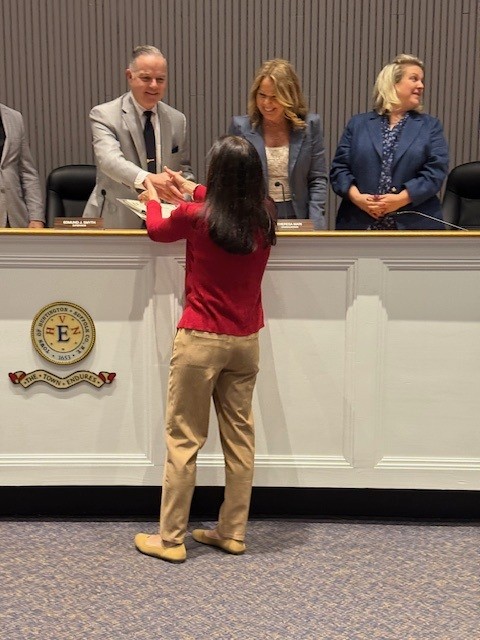
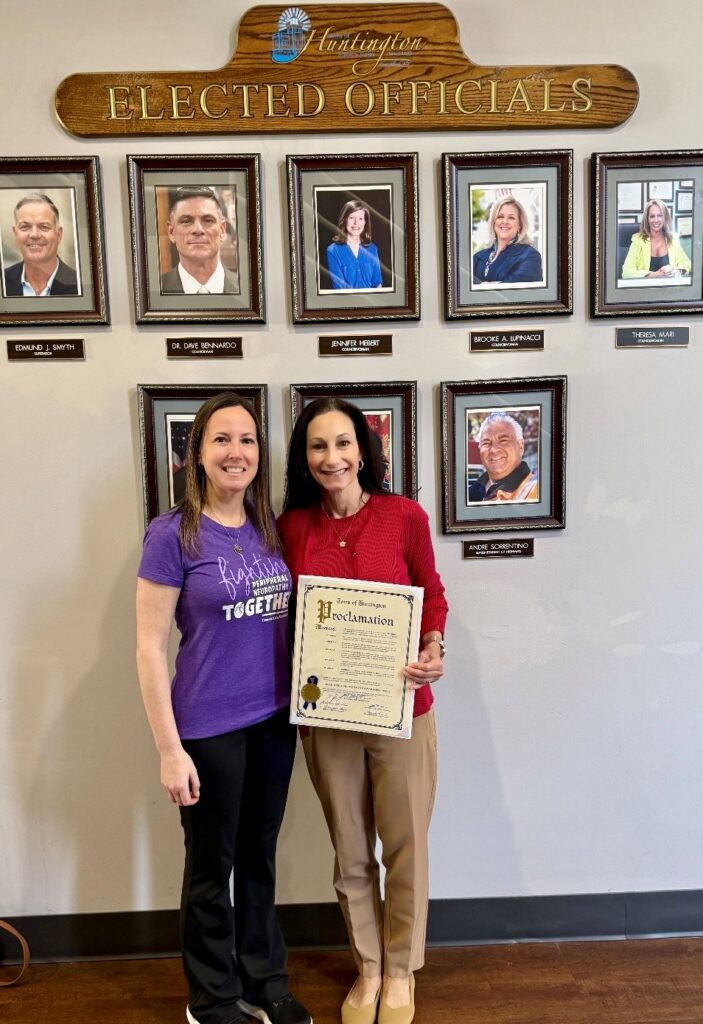
I’m especially grateful that the Town of Huntington in my hometown has supported my efforts for two consecutive years by issuing proclamations recognizing Peripheral Neuropathy Awareness Week. Having another opportunity to attend a Town Board meeting and personally accept the proclamation on behalf of FPN in front of community members and elected officials was incredibly meaningful.
It’s also a huge honor to have New York State Senator Mario Mattera recognize the importance of PN for the first time by issuing a proclamation for 2026 to FPN.
Each proclamation formally acknowledges the need for continued awareness, improved treatments, and ultimately a cure. Even at the local level, every proclamation represents the broader PN community—and that’s what makes this work so impactful and motivating.
Q: Why do you think awareness efforts like FPN’s campaign are so important for people living with peripheral neuropathy?
Peripheral neuropathy affects 30 million people and includes more than 100 different types, yet there is still no cure and only limited treatment options for many patients.
People living with PN often experience reduced mobility, weakness, sensory dysfunction, and chronic pain that significantly affect quality of life. When PN limits patients’ ability to participate in Awareness Week and pursue proclamations, they can find support and hope from others advocating on their behalf.
Awareness efforts help elicit important conversations between patients and caregivers, researchers and clinicians, elected officials, and nonprofits like FPN, an organization dedicated to PN education, research, and patient support.
Proclamations bring recognition and validation to the PN community, creating momentum to drive meaningful change.
Progress happens when patients share their personal experiences and stories and become active advocates themselves. Personal engagement plays an essential role in improving understanding, care, and outcomes. It is imperative for patients to stand up and be counted. When one speaks, they speak for many.
Q: On a personal level, what do you find most rewarding about volunteering and advocating for this cause?
Volunteering has connected me with incredible people I never would have otherwise met including other advocates who have become new friends - who understand from personal experience what it means to live with PN. This unique relationship provides an important lifeline and level of support and understanding.
Awareness efforts also form and strengthen relationships between patients and caregivers while helping communities better recognize the condition.
It’s incredibly meaningful to play even a small role in FPN’s awareness campaign by helping to educate others both locally and beyond about what is often considered “an invisible condition.” Being invited to personally accept proclamations on behalf of FPN and share an article in FPN’s newsletter is a tremendous honor.
Q: Have you seen or heard any impact already from these proclamations—whether in your community or beyond?
One especially meaningful experience has been meeting others living with PN at community events such as the Town of Huntington Board meeting, where I accepted a proclamation for the second consecutive year.
Community members last year approached me after the meeting to share that their symptoms had been misdiagnosed—or that they suspected they might have PN but had not yet received a diagnosis. I was able to direct them to FPN as a trusted resource.
Helping someone connect with information and support—even before a diagnosis—is incredibly powerful.
On the homefront, when local friends and extended family members learned about my advocacy efforts to secure proclamations. they also became encouraged to pursue FPN as a trusted resource for support and education.
Proclamations create conversations. They increase visibility and open the door to learning more about PN within communities.
Q: What would you say to someone who is considering getting involved or advocating in their own community?
Everyone living with PN has a story—and every story matters.
Sharing your experience and helping others learn about FPN’s mission can contribute to better understanding, improved care, and stronger support networks. Advocacy can lead to educational opportunities, expanded resources, increased research, and ultimately better treatments.
Getting involved can be simple. It may start with sharing your story, contacting a local official, or working with FPN’s advocacy tools and guidance. Even when you are feeling your worst and feel as if no one is “hearing you,” becoming an advocate offers a great opportunity to do as much or as little as you wish while still making a huge difference.
If even a small number of people reached out to their elected officials before Awareness Week each year, the collective impact would be extraordinary.
Every request for recognition helps build momentum—and every voice makes a difference.
Q: Is there anything else you’d like people to understand about peripheral neuropathy or the Foundation’s work?
Even though PN affects 30 million people, there continues to be a great need for awareness to an impact that will ultimately improve patient care and treatments.
Organizations like the Foundation for Peripheral Neuropathy play an essential role in advancing education, supporting research, and helping patients and caregivers feel less alone and more educated.
Increased participation in awareness efforts that support FPN’s mission bring us closer to earlier diagnosis, improved treatments, and better outcomes for the entire PN community.
Thank you to Stacey U. for sharing her story with us! To learn more about supporting peripheral neuropathy awareness efforts, please visit FPN’s website.