Advocating for peripheral neuropathy: A conversation with FPN’s advocacy consultant, Mark Vieth
Program Manager, Amanda Homscheid, recently sat down with Mark Vieth, our consultant who helps the Foundation for Peripheral Neuropathy advocate for neuropathy-related funding, such as the Peer Reviewed Medical Research Program (PRMRP), and connects us with important groups on Capitol Hill, like the National Institutes of Health (NIH).
Mark has been working with the Foundation for Peripheral Neuropathy for over 6 years. In this interview, he reflects on the accomplishments and progress we have made and his hopes and goals for the future.
Q. You’ve worked with FPN for a while now. What are some of the biggest wins you’ve seen in raising awareness and support for people with peripheral neuropathy?
A. The Foundation’s biggest victory was securing the designation of “peripheral neuropathy” as an eligible research topic in the Department of Defense’s Peer Reviewed Medical Research Program (PRMRP). This happened in 2020, after a full year of advocacy before Congress, when the Senate Appropriations Committee included the designation in the fiscal year (FY) 2021 Defense Appropriations Act. Prior to our advocacy efforts, very few Members of Congress and staff members had even heard of “peripheral neuropathy”, let alone realize that it affects approximately 30 million Americans. The designation has been renewed by Congress every year since and has resulted in close to $20 million total in grants awarded for PN research between FY 2021-2024.
Q. The Department of Defense (DoD) and the National Institutes of Health (NIH) are now helping fund research on peripheral neuropathy. How did FPN help make that happen, and what progress have we seen so far?
A. In 2019, the Foundation commenced its advocacy campaign to increase federal research funding for PN. As mentioned above, we had a breakthrough in 2020, when Congress for the first time included PN as an eligible condition for research funding from the PRMRP at DoD. We also engage annually with the NIH, primarily with the National Institutes of Neurological Disorders and Stroke (NINDS), the chief institute at NIH for funding PN research. To support these efforts, we have worked with both the House and Senate to include “report language” in the Labor-Health and Human Services-Education Appropriations Act to provide direction to NIH on the areas of PN research that need more attention, such as idiopathic PN.
Q. What are the next steps in working with the DoD, NIH, and Veterans Affairs (VA)? Where do you see the biggest chances to make an even bigger difference?
A. We are continuing to expand our efforts to increase research funding from these agencies, and have only just begun to meet with the VA. Unfortunately, significant overall budget cuts at these agencies and the recent government shutdown have delayed our efforts, but we will keep pressing on despite these obstacles. I believe so much more can be done at NIH, particularly at the institutes that focus on cancer and diabetes, which have a strong correlation with PN.
Q. For researchers who want to get involved with government funding, what advice would you give? How can they take that first step?
A. I think it’s really important that researchers engage with the Members of Congress and staff to, first and foremost, educate them on their past and present PN research projects, particularly if their research is funded by DoD or NIH. Members of Congress respond to their constituents, and if they know that their home-state research institutions are leading PN research efforts, they are more likely to support our DoD and NIH requests. The Foundation includes important tools, such as sample email messages to Congress, that researchers can use, and they will be updated next year for the FY 2027 appropriations request cycle.
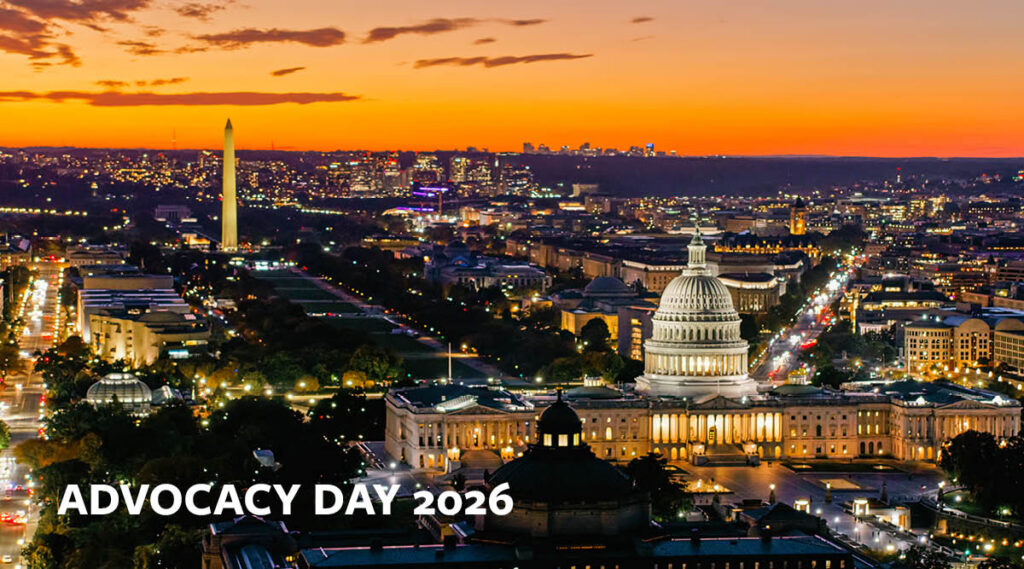
Q. Advocacy Day has become such an exciting event for the neuropathy community. Our first Advocacy Day was held in 2025, when members of the FPN Board, MedSci Board and staff came together in Washington, DC to meet with Congressional representatives from nine states. What stood out to you from this year’s event, and what kind of impact do you think it had?
A. In this challenging environment, I don’t think we would have been successful without the efforts of those who participated in our Advocacy Day. I was impressed by the number of new Congressional offices with whom we made new relationships. If properly fostered every year, these relationships will pay dividends for our advocacy efforts. It’s one thing for Foundation staff and I to engage with these offices, but they are more likely to support our requests when they hear from researchers, board members, patients and others from their home state who take the time to visit Washington for a day and make their case in person.
Learn more about our 2025 Advocacy Day here!
Q. We’re already planning Advocacy Day 2026! What are some of the goals or ideas you’re most excited about for next year’s event? How can people take part?
A. Personally, I would like to see the number of attendees double, so that we can reach more Representatives and Senators. I would also like to see more advocates from states that weren’t represented last year, and more “virtual” advocacy from those who cannot travel to Washington, D.C. If anyone wants to participate, they should reach out directly to the Foundation for details.
Interested in joining us for Advocacy Day 2026? Let us know here.
Q. When you think about all the work FPN is doing, what does “success” in advocacy mean to you?
A. “Success” means different things in different environments. A few years ago, I would have measured success by the increase in the amount of PN research grants funded by federal agencies. However, in this challenging environment, when most federal programs are being cut, I believe holding on to what we have is a benchmark of success. For example, renewing the PN designation in the PRMRP every year is “success,” because it gives our researchers an opportunity to secure funding that would otherwise not be accessible to them. Success in this environment is also defined by the work we do in coalition with other like-minded patient organizations to protect and preserve overall funding for NIH and the PRMRP. For example, the PRMRP funding level was reduced in FY 2025 from $370 million to $150 million. Restoring it to $370 million in FY 2026, which the pending Senate bill proposes to do, would if enacted be a huge accomplishment. Securing the PN designation is important, but we need to ensure that there is enough funding in the PRMRP to maximize the number of PN grants awarded.
Q. You’ve seen a lot of growth in neuropathy research. What new progress or discoveries are you most excited about right now?
A. I believe the most exciting aspects of PN research involve studying the correlation between PN and diabetes and PN and cancer. Every American knows about diabetes and cancer, and if we can demonstrate the value of PN research as it relates to these chronic conditions, we can raise better awareness with and perhaps more funding from Congress.
Q. Advocacy requires teamwork between patients, researchers, and lawmakers. What have you learned from working with all these different groups?
This teamwork concept was on display earlier this year during our Advocacy Day. In our meetings, we often include both researchers and patients to provide a well-rounded perspective on the impact of the disease, and the promise that research brings to improving the quality of life of those impacted. Congress is an essential partner because it provides the funding and direction to federal research agencies.
Q. Finally, what would you say to patients, families, or researchers who want to help move this cause forward? What’s a good place to start?
A. The most basic thing that patients, families and researchers can do is contact their Members of Congress when our requests for DoD and NIH research appropriations are pending with Congress, which will happen again early next year. The Foundation provides useful tools – including sample language for emails to Congress – that are easy to use. We also encourage our community to meet with staff of their Representatives and Senators. If they can’t travel to Washington, D.C., they can request to meet virtually with DC staff or visit the State offices of Senators and District offices of Representatives to make their case. As always, tell your personal story. Remember, you don’t have to be an expert in the legislative process, but you are the expert in how PN affects you!
Thank you, Mark! Your assistance with our advocacy efforts has been greatly appreciated and has facilitated many “wins” for the neuropathy community! We look forward to your continued support in advocating for more awareness, education, and research dollars in peripheral neuropathy!
This advocacy blog post is generously sponsored by Vertex.