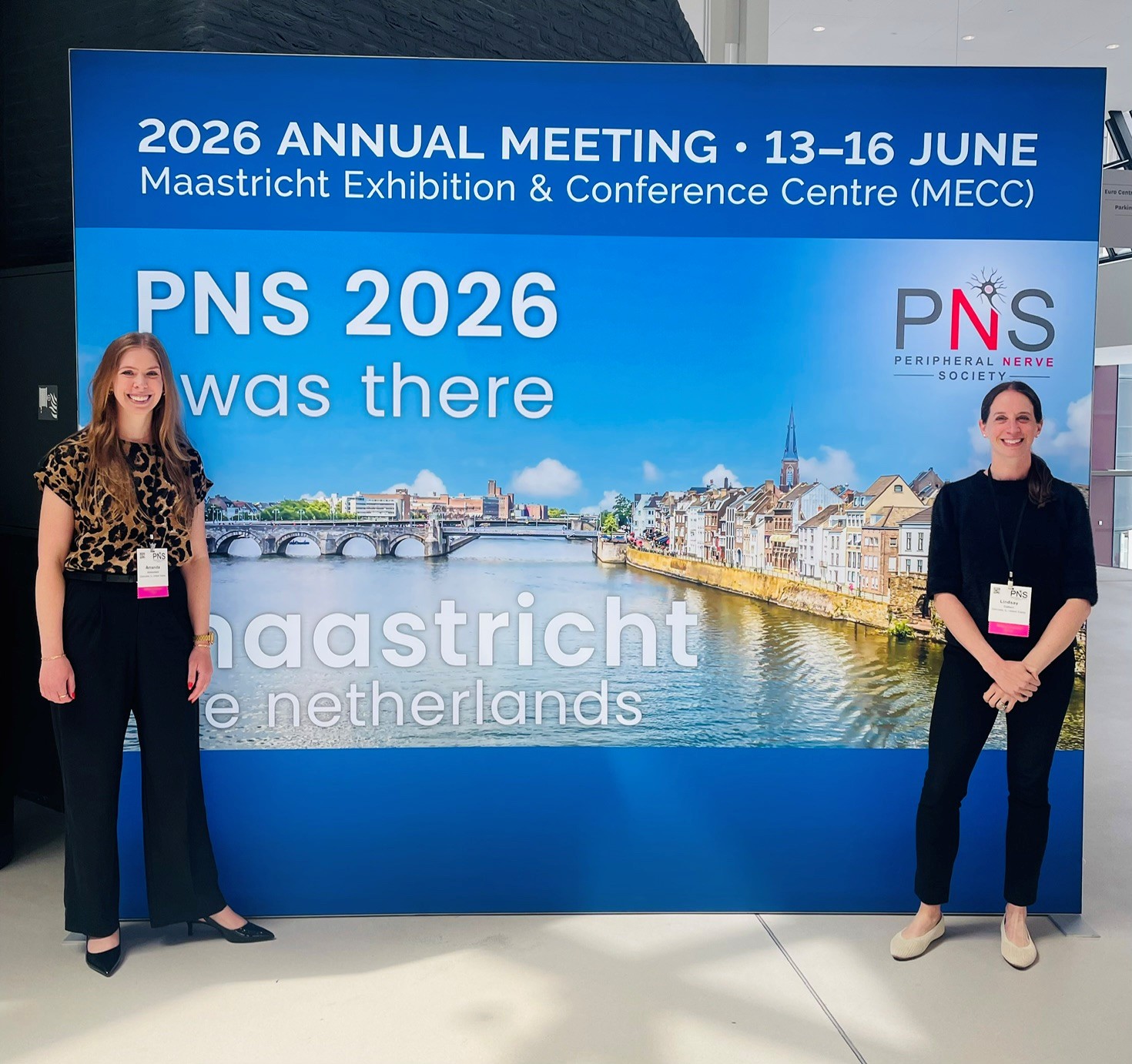
Highlights from the 2026 Peripheral Nerve Society Annual Meeting
The Foundation for Peripheral Neuropathy (FPN) is proud to have participated in the 2026 Peripheral Nerve Society (PNS) Annual Meeting in Maastricht, The Netherlands, alongside leading peripheral neuropathy (PN) researchers and clinicians from around the world. By engaging with the latest scientific discoveries and collaborating with experts across the field, FPN remains committed to bringing the most promising research developments in PN research and therapeutics to the neuropathy community.
The 2026 PNS meeting showcased exciting advances in understanding PN across genetics, immunology, nerve regeneration, and pain research. A common theme emerged throughout the conference: as researchers gain a better understanding of the underlying causes, these developments are directly informing more personalized, targeted therapies that have the potential to improve outcomes and quality of life for people with PN.
Diabetes Medications May Help Protect Against Diabetic Autonomic Neuropathy
Diabetic autonomic neuropathy (DAN) is a serious complication that damages the nerves controlling automatic body functions such as heart rate, blood pressure, and digestion. It affects 20-30% of people with Type 2 diabetes (T2DM) and is associated with a 3-fold higher risk of heart problems and early death compared to those that do not have autonomic nerve damage.1
Sonya Dunlap, a senior researcher at the CAMC Institute for Academic Medicine in Charleston, WV, presented findings from a study examining whether commonly prescribed diabetes medications influence the risk of developing diabetic autonomic neuropathy. Sonya shared that people taking metformin or GLP-1 receptor agonists in the study had lower rates of diabetic autonomic neuropathy and lower mortality than people treated with insulin alone, even when cardiovascular risk factors were similar.1 Further research is needed to confirm these findings, as other studies have reported differing results. The results from this study suggest that some diabetes medications may provide benefits beyond lowering blood sugar—they may also help reduce the risk of autonomic nerve damage.1 These findings may help guide antidiabetic therapy in people at elevated risk for DAN.
New Genetic Discoveries Are Improving Diagnosis and Treatment
During one of the meeting’s keynote lectures, Dr. Andrea Cortese from the UCL Queen Square Institute of Neurology and University of Milan C. Besta Neurological Institute highlighted major advances in understanding inherited neuropathies. He shared how research is uncovering important genetic changes in regions of DNA that were once thought to have little function but are now known to play a significant role in disease.2
Much of the discussion focused on RFC1-related disease and CANVAS (Cerebellar Ataxia, Neuropathy, and Vestibular Areflexia Syndrome). Changes in the RRC1 gene are increasingly recognized as an important cause of nerve problems that begin in adulthood, especially those affecting sensation and balance. New evidence supports that loss of normal RFC1 protein function is a critical driver of CANVAS.2
Long-read DNA sequencing, an innovative technology that can accurately read long sections of DNA in a single stretch, is enabling detection of complex mutations that were previously missed. Dr. Cortese noted that these advances are helping to uncover genetic causes, like the RFC1 mutation, that were once missed, helping more people to receive accurate diagnoses.2
Perhaps most importantly, Dr. Cortese emphasized that the field is moving beyond simply discovering disease-causing genes. Researchers are now using this genetic information to develop more personalized approaches to treatment based on an individual’s unique disease biology.2
Skin Immune Cells May Play an Important Role in Neuropathic Pain
Dr. Paola Pacifico, a postdoctoral researcher at Northwestern University, Chicago IL presented exciting discoveries about why diabetic neuropathy can become painful. Dr. Pacifico shared that specialized immune cells in the skin, called Langerhans cells, communicate directly with pain-sensing nerve fibers by releasing inflammatory signals. When researchers blocked one of these signaling pathways in laboratory models, neuropathic pain was significantly reduced.3
Additional presentations examining the skin’s microscopic environment—including advanced studies of gene activity within painful diabetic neuropathy—reinforced the idea that the skin itself plays an active role in chronic nerve pain. These findings may eventually lead to new treatments that target inflammation in the skin rather than nerve pain itself, offering a new strategy for relieving pain in diabetic and small fiber neuropathies.3
Long-Term Study Provides Encouraging News for Small Fiber Neuropathy
Findings from one of the largest long-term studies of small fiber neuropathy (SFN), which followed 178 people with SFN with a variety of underlying causes over time to better understand how the condition progresses were presented by Dr. Grazia Devigili from the University of Milan C. Besta Neurological Institute.4
This long-term study found that the future course of the disease depended largely on the underlying cause. People with forms of SFN that could be treated often experienced partial or complete recovery. Those with idiopathic (unknown cause) SFN generally remained stable over time, but their symptoms rarely resolved.4
An especially encouraging finding that Dr. Gevigili shared was that people whose symptoms developed rapidly over a short period often recovered completely within one year. The study also revealed that diagnoses may change as new information becomes available, highlighting the importance of maintaining ongoing follow-up with healthcare providers.4
Targeted Therapy Shows Promise for Guillain-Barré Syndrome
Dr. Henk-André Kroon from Annexon Biosciences, Brisbane, CA presented new results from a Phase 3 clinical trial evaluating tanruprubart, an experimental antibody therapy designed to block part of the immune system known as the complement pathway, which contributes to nerve damage in Guillain-Barré syndrome (GBS).5 People with GBS who received tanruprubart experienced rapid reductions in markers of inflammation and showed improved muscle strength compared with people who received placebo. This study also provided researchers with new insights into how inflammatory markers change throughout the course of GBS.5
These findings represent an important step toward more targeted therapies that address the specific biological processes causing nerve injury rather than broadly suppressing the immune system.5
The Gut, Metabolism, and the Future of Nerve Regeneration
During a featured symposium, Dr. Simone Di Giovanni from the Imperial College London explored how metabolism, the immune system, and even the gut microbiome may influence the body’s ability to repair damaged nerves. He discussed evidence that certain compounds produced by healthy gut bacteria may help stimulate nerve regeneration after injury. He shared that specific metabolic pathways—the series of chemical reactions that help cells make and use energy—are important for repairing sensory nerves and restoring normal function.6
Another researcher, Dr. Eva L. Feldman from the University of Michigan Medical School discussed that in obesity and diabetes, excess fats and sugars can overwhelm the way nerve cells produce energy, leading to damage in the mitochondria—the tiny structures that power cells. Peripheral nerves require large amounts of energy to function, so they are especially vulnerable to this type of metabolic stress.7
These discoveries highlight that nerve repair depends on more than just neurons alone. Immune cells, metabolism, supportive cells, and the microbiome all work together during the healing process, creating exciting opportunities for future therapies designed to enhance nerve regeneration.6,7
Throughout the meeting, researchers highlighted several promising areas of investigation, including medications that block nerve degeneration pathways such as SARM1 inhibitors, therapies that target metabolic pathways, structured exercise programs, and neuromodulation approaches that modify nerve activity. Although these strategies are still under investigation, they represent exciting possibilities for preventing or slowing nerve damage in the future.
Advancing Early Detection of Diabetic Peripheral Neuropathy
Dr. Eva Feldman from the University of Michigan, gave a keynote presentation that highlighted the importance of detecting diabetic peripheral neuropathy (DPN) before there is disability as injury to the nerves happens before there are symptoms of PN. She shared that before diabetes, excess lipids and sugars are not metabolized properly and can result in nerve damage. Unfortunately, many people with DPN do not receive an early diagnosis, because of low awareness and inadequate screening.7
She shared that the earliest signs of DPN often involve changes in temperature or pinprick sensation, reflecting damage to small nerve fibers. Dr. Feldman shared ways to find DPN at its earliest stages, including sensory exams, nerve tests, and new wearable devices. Using these methods will allow subtle changes earlier, providing an opportunity to slow or prevent further nerve damage, but additional research is needed before they can be widely used in clinical care.7
A Meeting Focused on Personalized Medicine
A clear message emerged throughout the 2026 PNS Annual Meeting: understanding the biology of peripheral nerve diseases is leading to more precise, personalized treatments. Earlier detection, combined with a better understanding of genetics, metabolism, and the immune system, is reshaping how researchers approach peripheral neuropathy. These advances are laying the foundation for treatments that are increasingly personalized and focused on preventing nerve damage before it leads to disability.
Keynote lectures highlighted advances across several areas of neuropathy research. Experts described how genetic discoveries are helping classify inherited neuropathies more accurately, allowing therapies to be tailored to individual people.2 Researchers also emphasized the importance of combining detailed clinical evaluations with genetic and molecular testing to better understand small fiber neuropathy and identify treatments that are most likely to be effective for each person.4 Other presentations demonstrated how a deeper understanding of immune-mediated neuropathies is leading to targeted therapies—such as complement inhibitors—that selectively block harmful immune pathways rather than suppressing the entire immune system.5
The meeting concluded with a keynote presented by Dr. Richard Finkel from St. Jude Children’s Research Hospital. His presentation reflected on the remarkable progress made in spinal muscular atrophy, illustrating how decades of research into disease mechanisms ultimately led to transformative treatments.8 Many attendees viewed this as a roadmap for the future of peripheral neuropathy research: by understanding the causes of disease at the molecular level, researchers can develop therapies that are increasingly effective, personalized, and capable of changing lives.
Looking Ahead
The research presented at the 2026 Peripheral Nerve Society Annual Meeting reflects the remarkable progress being made across the field of peripheral neuropathy. While many of these discoveries are still in the research or clinical trial stage, they offer real hope for earlier diagnosis, more personalized treatments, improved pain management, and new approaches to repairing damaged nerves.
The Foundation for Peripheral Neuropathy remains committed to accelerating this progress by supporting research, educating individuals with PN, caregivers, and healthcare professionals, and fostering collaboration across the neuropathy community. By participating in meetings like the PNS Annual Meeting, the Foundation stays connected to the latest scientific advances and helps bring timely, evidence-based information to the people who need it most.
As research continues to move from the laboratory to the clinic, the Foundation will continue to share important developments and advocate for advances that improve the lives of individuals living with peripheral neuropathy. We encourage people with PN, caregivers, healthcare providers, and supporters to stay engaged by following the Foundation’s educational resources, participating in programs and events, and supporting research that brings us closer to better treatments—and ultimately, cures.
References
- Dunlap S, Russell J. Differential effects of antidiabetic medications on reducing risk of autonomic neuropathy and mortality in Type 2 diabetes mellitus (DM2). Poster presented at: 2026 Peripheral Nerve Society Annual Meeting; June 13-16, 2026; Maastricht, the Netherlands. Poster O640.
- Cortese A. From gene identification to functional mechanisms: insights from RFC1 CANVAS and other neuromuscular conditions associated with variation in non-coding DNA. P.K. Thomas Lecture. Presented at: 2026 Peripheral Nerve Society Annual Meeting; June 13-16, 2026; Maastricht, the Netherlands.
- Pacifico P, George D, Jayaraj ND, et al. Skin-resident Langerhans cells drive neuropathic pain via chemokine-dependent neuron-immune communication. Poster presented at: 2026 Peripheral Nerve Society Annual Meeting; June 13-16, 2026; Maastricht, the Netherlands. Poster O651.
- Devigili G, Lombardi R, Marchi M, et al. Long-term outcomes and natural history of small fiber neuropathy. Poster presented at: 2026 Peripheral Nerve Society Annual Meeting; June 13-16, 2026; Maastricht, the Netherlands. Poster O650.
- Kroon HA, Paliwal P, Sommer C, et al. Tanruprubart rapidly attenuates complement-driven acute neuroinflammation and accelerates muscle strength recovery in Guillain–Barré Syndrome. Poster presented at: 2026 Peripheral Nerve Society Annual Meeting; June 13-16, 2026; Maastricht, the Netherlands. Poster O672.
- Di Giovanni S. Immune and metabolic regulation of sensorimotor physiology and repair. Traumatic Toxic Neuropathy Consortium (TTNC). Presented at: 2026 Peripheral Nerve Society Annual Meeting; June 15, 2026; Maastricht, the Netherlands.
- Feldman EL. Detecting DPN before disability: the clinical window of opportunity. Joint SIG Session: International Diabetes Neuropathy Consortium (IDNC) and Neuropathic Pain Consortium (NPC). Presented at: Peripheral Nerve Society (PNS) Annual Meeting; June 15, 2026; Maastricht, the Netherlands.
- Finkel RS. Spinal muscular atrophy: the path from deadly disease to possible cure. Closing keynote lecture. Presented at: Peripheral Nerve Society (PNS) Annual Meeting; June 16, 2026; Maastricht, the Netherlands.