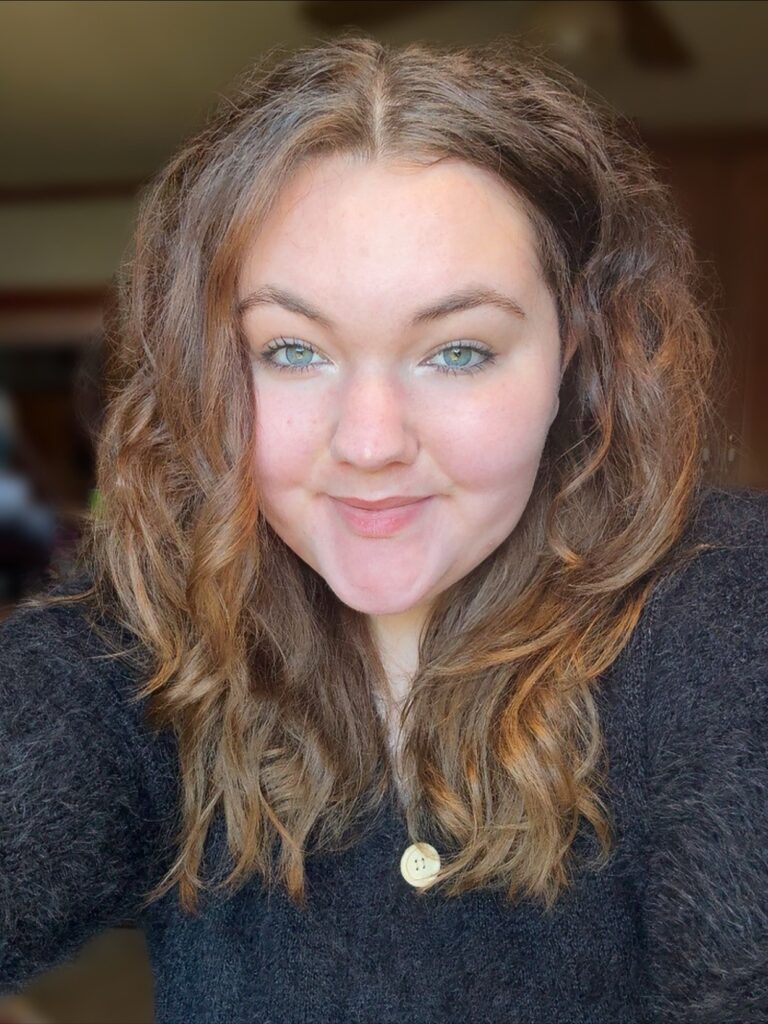
Breaking isolation, one post at a time: Becca’s story
Hi. I’m Becca. I am 24 years old and living with Small and Large Fiber Demyelinating Polyneuropathy. My experience with peripheral neuropathy is part of a complex and multi-systemic genetic condition called Hypermobile Ehlers-Danlos Syndrome.
Early pain and first signs of neuropathy
My pain journey started when I was young. Maybe 12 or 13 years old. I started to have daily, chronic, joint pain, and would not know the cause for another 8 years. My first experience with any kind of peripheral neuropathy was at 14 years old, when I developed carpal tunnel syndrome, a mononeuropathy syndrome that is usually associated with those aged 40-60. Being in constant pain as a teen was an isolating experience. I was the only person I knew who was in daily and treatment-resistant chronic pain.
A sudden change overnight
If we fast forward roughly 8 years after my carpal tunnel diagnosis, it would be fall of 2022. On an uneventful evening in November, I would go to sleep as anyone would, expecting my body to be in the same condition when I woke up. This time, something changed. I woke up to stinging limbs and a crawling itch all over my body. I was unsteady on my feet and dizzy. The pain was reminiscent of the carpal tunnel that had afflicted me all those years ago. I was numb and tingly. I was familiar with pain after 10 years of it, but this felt horrifyingly different. I was uncomfortable, sluggish, and weak.
Dismissed in the ER
By midday, I was in the emergency room. I was crying to my mom about how scared I was, and my vulnerability made me a perfect target for medical neglect. The doctor who assessed me was uninterested and apathetic. She noticed my tears and cited my mental health diagnosis of generalized anxiety disorder as proof that these new and sudden onset sensations were nothing more than a panic attack. I was sent home with zero investigation into my new and concerning issues. I called my primary care doctor, and she wrote me a referral to both a neurologist and a neuromuscular specialist.
More dismissal, more isolation
The neurologist held a similar sentiment to the ER doctor. She wrote off my concerns as an anxiety problem without considering that the sudden onset of unfamiliar symptoms and pain might be entirely anxiety-inducing. I found myself abandoned, again, with no answers. I did not think life could get any lonelier than it was in my teenage years, but after this appointment I felt more alone than ever. It was not just that I had no one to relate to anymore, it was that people who were literally paid to care about me, didn’t.
Finally being heard
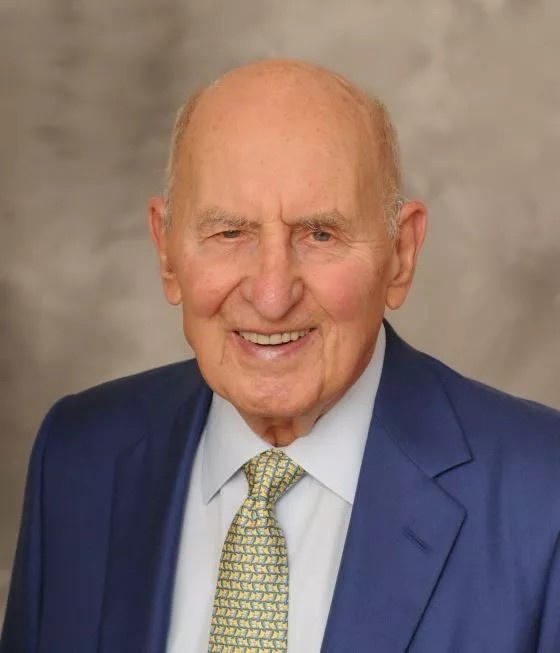
I would sit in this feeling until my neuromuscular specialist appointment. I did not expect an old man with white hair and an average patient age of 50 years old to be the person who would finally listen to me. I went in expecting the usual. I put on my metaphorical armor, ready to advocate to a wall. As I started unraveling the last few months of discomfort and decade of pain, he got concerned. He was interested. He started to explain the possibilities and ordered blood tests for common vitamin deficiencies and to make sure I was not dying. Soon after my blood tests came back clean, I was given an electromyography, nerve conduction study, and skin punch biopsies.
A diagnosis at last
I finally had an answer. Small and large fiber demyelinating polyneuropathy. That day in the ER, I was not having a panic attack. I was grappling with sudden onset nerve damage all over my body. He didn’t stop his investigation there, though. He considered my young age, normal blood test results, and symptoms outside of my neuropathy. He racked his brain for why someone would develop this so young. We landed on two possibilities, hereditary forms of polyneuropathy, or a connective tissue disorder, specifically, Ehlers-Danlos syndrome. Either way, I was on my way to a geneticist.
Connecting the dots: Ehlers-Danlos Syndrome
At the geneticist, I was poked and prodded. My joints were measured and my skin was examined. The geneticist poked around inside my mouth and noted atrophic scarring on my arms and legs. He very quickly concluded that I had Ehlers-Danlos syndrome. He said my nerve damage was consistent with the hypermobile type, but decided to test for all genetically identified types of EDS and all hereditary neuropathies. After my genetic testing came back clean, he diagnosed me with Hypermobile Ehlers-Danlos syndrome, the only Ehlers-Danlos syndrome without a definitive blood test. In my months following, I was also diagnosed with Mast Cell Activation Syndrome and Postural Orthostatic Tachycardia Syndrome, both common in hEDS.
Answers, but also grief
I had every answer. My polyneuropathy was no longer considered as an idiopathic case. It was a symptom of a much bigger problem. Despite all this knowledge and validation, I still felt alone. I was no longer the only person fighting for me, but I felt immense grief. Knowing that the rest of my life would be severely affected and being the only person I knew to be on the receiving end of “It is incurable, I am so sorry”, left feelings of isolation that I was so familiar with at this point.
Finding community online
Eventually, I took to the internet. It started as sharing my story with friends and family and joining support groups for those with EDS. A year after my diagnosis, I made the jump to posting publicly. I very quickly noticed that polyneuropathies were underrepresented in online EDS spaces. I knew I was not the only person with EDS to experience neuropathy because there was research that said differently. I titled my first post “What is Neuropathy?”.
Turning pain into purpose
Since then, I have gained a humble, yet diverse, following on my Instagram page. I connect with others experiencing EDS and polyneuropathy. I learn from the lived experiences of others. I am not so lonely anymore. I participate in causes that raise awareness for EDS and other connective tissue disorders. I get the occasional message that someone felt pushed by my words to get their own genetic testing done. I express the importance of getting checked out when you experience new or sudden onset tingling, anywhere on your body. I do this because I believe it could change someone else’s life in the same way it changed mine.
Healing through connection
Through connection, I have started to heal the parts of myself that have been so deeply lonely for so long. I no longer feel like that scared, sad, teenager who couldn’t relate to any of their peers. I will admit, sometimes my brain goes to that place again, and it happens more often than I’d like to admit, but I have people to reach out to now. I have a space to explore my musings related to my illness and disability. Not all of my followers are disabled or sick with the same illnesses as me, though. So, I am able to raise awareness and create conversations with those who might be searching for the same answers I was searching for. I feel like I am finally doing something good with all of the hurt and grief.
A new perspective on life
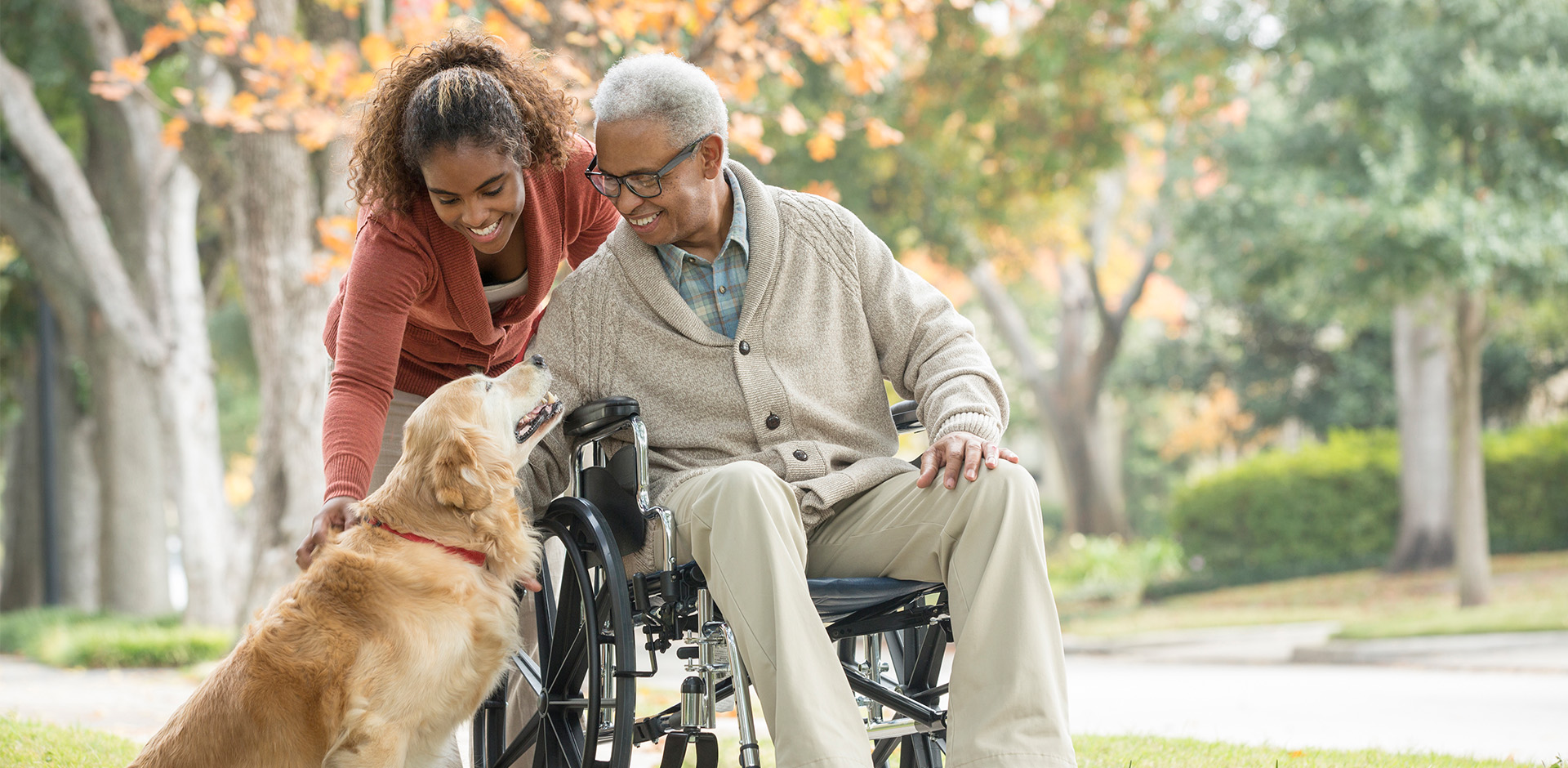
I have changed a lot since my health declined on that fateful morning in November. I am in a wheelchair a lot of the time, I completely re-planned my future and considered what it truly means to connect to another human.
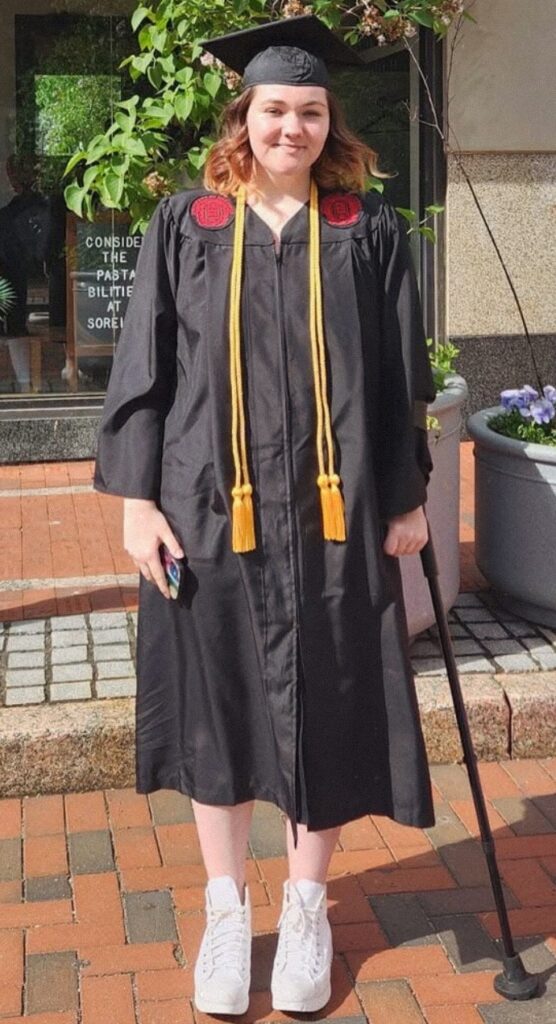
I am now a college graduate and a grad school student. I have discovered foundations like the Ehlers-Danlos Society and The Foundation for Peripheral Neuropathy, which provide vital information and awareness materials, advocate and fundraise for research, and remind patients that there is someone in their corner.
Sometimes I wonder what life might be like if I never got this sick. I am sure it would be better in some ways, but I do not believe I would have ever pushed for or found the level of care and understanding that I experience thanks to my community. I struggle with my illnesses daily, but I no longer do it alone. If you’re reading this and are in the same position I was in, don’t be afraid to reach out to someone. You never know what you might find.
Follow Becca on Instagram: @beccajeann.e