A powerful new study to predict progression and improve care in anti-MAG neuropathy
We are proud to announce that with the help from generous donors, the Foundation for Peripheral Neuropathy is funding an important new research study. We are investing $525,000 over the next three years to support this work. This project brings hope to people living with IgM peripheral neuropathy (IgM-PNP), also including anti-MAG neuropathy. It is a rare nerve disease that can be very unpredictable.
This research is part of the international IMAGiNe study and includes patients from several countries. Its goal is simple but powerful: Find better ways to predict disease progression, understand different patient types, and improve future treatments.
Why this study matters
IgM PNP does not affect everyone the same way. Some people have mild symptoms. Others get worse more quickly. Doctors still cannot accurately predict who will decline or how fast it will happen. This study aims to change that.
By identifying early warning signs in the blood and understanding patterns in symptoms, researchers hope to:
- Detect disease changes earlier
- Help doctors choose the right treatment sooner
- Design smarter clinical trials
- Improve quality of life for patients
This is the kind of research that can truly transform care.
Part A: Finding early warning signals in the blood
The first part of the study focuses on biomarkers. Biomarkers are measurable signs in the body, often found in blood, that can signal disease activity.
Researchers will follow 140 patients in the Netherlands over time. For each person, they will:
- Track symptoms and changes in health
- Collect blood samples at multiple times
- Study certain proteins linked to damage and inflammation
They will build a detailed timeline for each patient. This timeline shows when symptoms got worse and what was happening in the blood before that decline.
By comparing blood samples from the start of the study to samples taken just before symptoms worsened, scientists hope to identify proteins that can predict disease changes. If successful, this could allow doctors to spot trouble before major nerve damage happens.
Next, researchers will test these same proteins in patients from other countries. They will use highly sensitive testing methods to confirm the findings. This step is critical. It ensures the results are accurate and reliable. Strong validation means stronger science, and more confidence for patients.
Part B: Discovering patient subgroups
Like all other forms of peripheral neuropathy, IgM-PNP is not one-size-fits-all. Patients can have different symptoms, speeds of progression, causes of disease, and responses to treatment
In this phase, researchers will analyze all the data from IMAGiNe patients. They will combine doctor exam results, patient-reported symptoms, and biomarker data.
Using powerful computer tools, they will look for patterns that group patients into clusters. Why does this matter? If we can identify clear subgroups, doctors can:
- Personalize treatment
- Match patients to the right clinical trials
- Better understand why the disease behaves differently
This is a major step toward more personalized care.
Part C: Building a tool to predict the future
In the final part of the study, researchers will improve a prediction tool for IgM-PNP.
Using all the data gathered, they will input patient information from the beginning of the study, and compare it to what happened later. Then they will develop a model that predicts who is most likely to worsen. They will also test whether certain symptoms, alone or combined with biomarker results, can predict future decline.
Like in Part A, these findings will be tested both in Dutch patients and in international groups to make sure the findings are dependable. The goal: Give doctors a reliable tool to better guide patient care.
Why your support matters
Groundbreaking research like this does not happen without funding. Our $525,000 commitment over three years makes this work possible, but continued donor support helps us fund even more high-impact studies like this one. We are thankful to our donors who are personally affected by anti-MAG neuropathy and choseto support this important research.
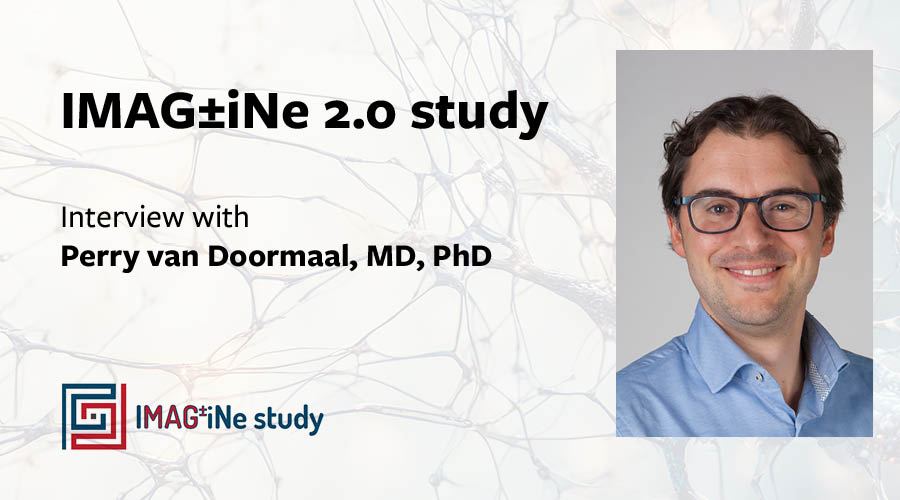
When receiving this grant, the lead researcher, Dr. Perry van Doormaal stated,
“We are grateful for the FPN’s commitment to and support of the scientific field of peripheral neuropathy and look forward to a productive collaboration.”
Every dollar brings us closer to earlier diagnosis, better treatments, improved quality of life, and ultimately, cures. Together, we are moving neuropathy research forward.
If you believe in a future where peripheral neuropathies can be predicted, treated earlier, and better managed, we invite you to support this research project and our overall mission.