Dr. Francesco Michelassi: Two Years of Funding. A Lifetime of Research.
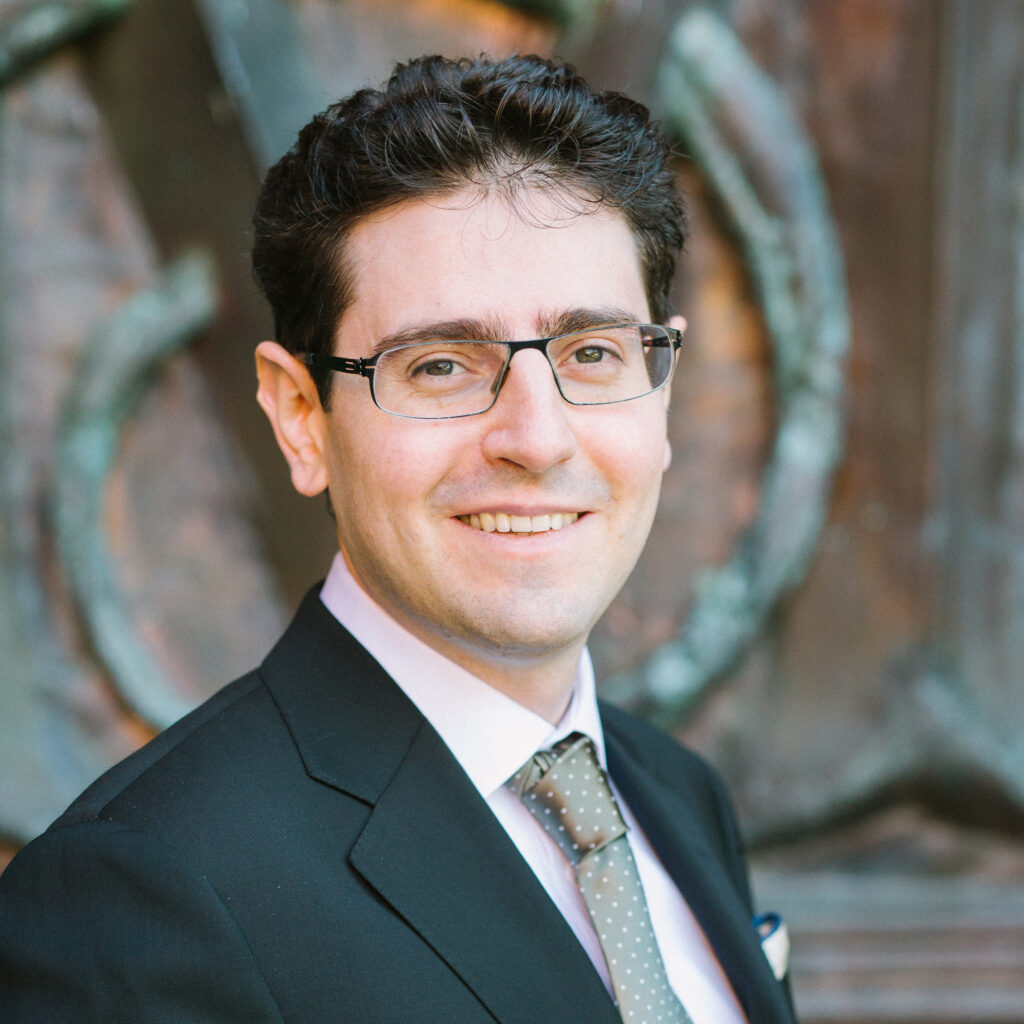
Two years ago, Francesco Michelassi, MD, PhD, was close to leaving research behind. A post doc and early in his career, he was weighing whether academic science was sustainable or whether it was time to become a full-time clinician.
The FPN Emerging Investigators Grant (Formerly known as Clinical Research Training Scholarship), in partnership with American Association of Neurology and American Brain Foundation, changed the math. It gave him a path to keep chasing the hard questions: How does chemotherapy actually damage nerves during chemotherapy-induced peripheral neuropathy (CIPN), and can the damage be caught, or slowed, before it becomes permanent?
Research like this rarely moves in a straight line, and his didn’t either. “One of the most important parts of research is being able to follow where the results lead,” Michelassi wrote. When some of his original plans didn’t work as expected, his team tried a new approach: a mouse model that delivers the chemotherapy drug paclitaxel locally, to the nerve endings in the paw, instead of through the whole body. In these mice, repeated doses at the nerve endings were enough to cause loss of small sensory nerve fibers in the skin.
The results suggest the drug may first start by damaging nerves right at their endings, before spreading to the rest of the nerve. His team is now studying how that happens. They are also asking whether protecting those endings could lead to ways to prevent chemotherapy-induced neuropathy without interfering with the treatment of the cancer itself. It was not the answer he originally set out to find. All of it was real scientific progress.
And that progress opened a door.
Dr. Michelassi is now an assistant professor at the University of Virginia. The award, he wrote, “was extremely important in allowing me to make the transition to an independent physician-scientist position at UVA.” Having protected research time and funding in place, he added, “allowed me to establish my laboratory quickly and continue building an independent research program focused on understanding and treating peripheral neuropathy.”
The scientist who was ready to leave the field is now building a career inside it. He is still focused on the same questions that first got him funded, and the patients still waiting for answers.
A two-year grant didn’t just fund an experiment. It kept a researcher in the fight