Putting Patients at the Center: Two Days in Washington with Sanofi and the Milken Institute
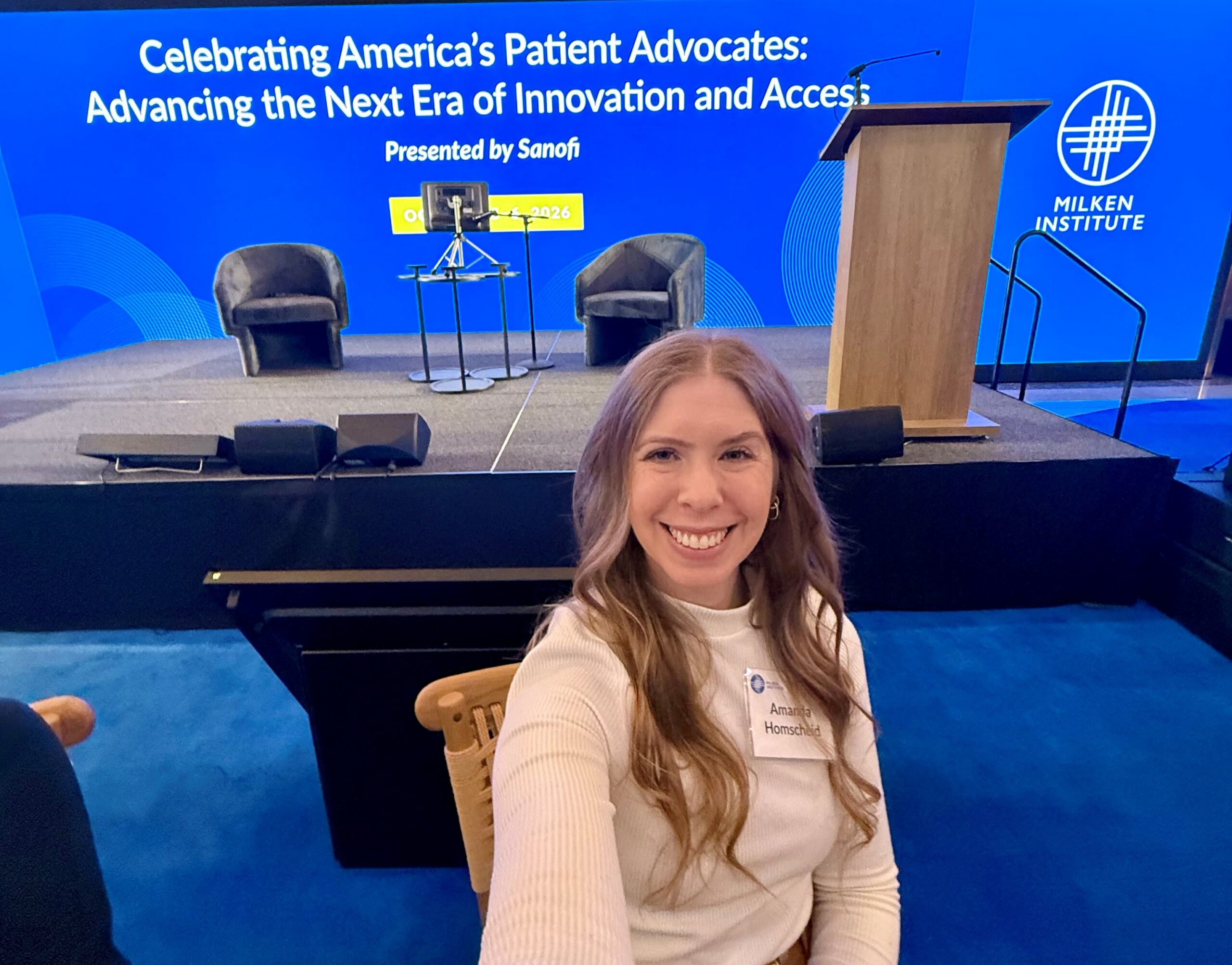
By Amanda Homscheid, Programs Manager, Foundation for Peripheral Neuropathy
How do we keep the voice of the patient at the forefront? This question was the guiding light during my two days in Washington DC. Here are the ideas I’m bringing home to the Foundation for Peripheral Neuropathy (FPN) and our community from my discussions at the Milken Institute’s Patient Advisory Forum.
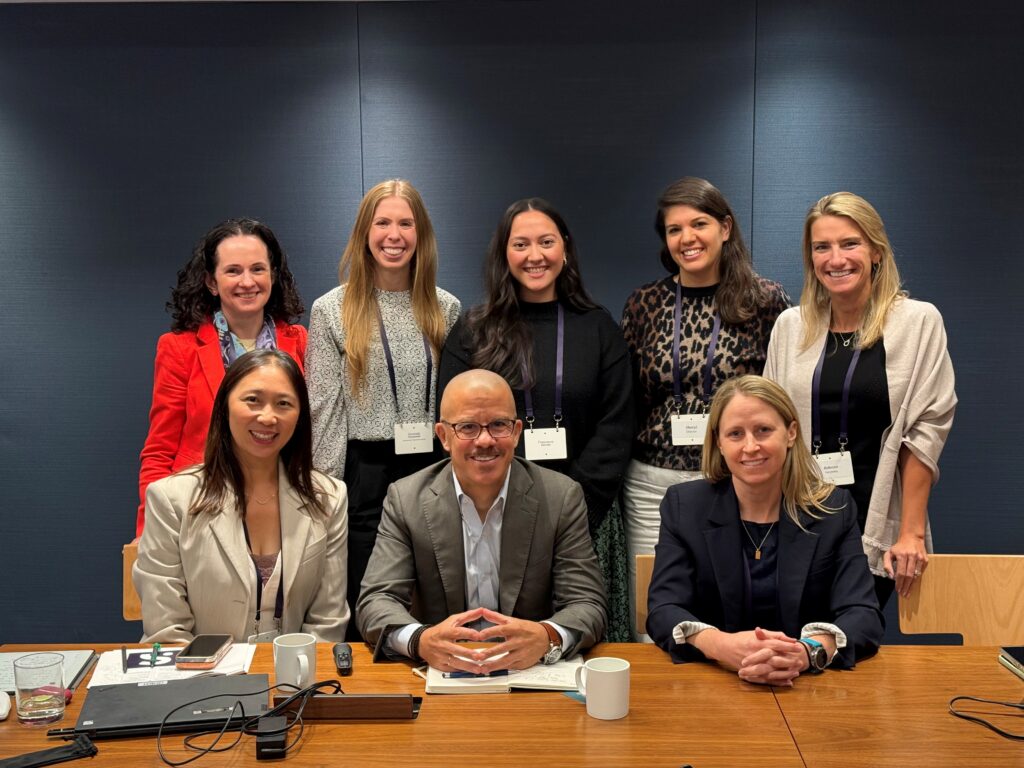
Day one: Bringing the CIDP patient perspective to the table
We’re grateful to Sanofi for inviting us to the Milken Institute Patient Advocacy Forum and for the opportunity to collaborate with GBS|CIDP Foundation International to bring the patient perspective to the table.
Together, we discussed the CIDP journey, from diagnosis and access to care to empowering patients to have meaningful conversations with their healthcare providers about treatment goals.
FPN supports people living with every type of peripheral neuropathy, and we’re proud to help shape education and resources that meet patients where they are. Thank you, Sanofi, for including the patient voice in these important conversations!
Day two: The Milken Institute Patient Advocacy Forum
On day two, I joined about 300 patient advocates, researchers, clinicians, and leaders from organizations like the Michael J. Fox Foundation and Breakthrough T1D. Our shared goal was to move from insight to action through a Declaration for patient-driven innovation, access, and trust. Below are the key highlights I took away for this day.
When patients lead, progress follows
Sandra Abrevaya, co-founder of I AM ALS and Synapticure, emphasized that everyone benefits when patients take the lead. Her group set out to tell its story authentically, with a message rooted in hope: progress is within reach, and every small action adds up.
Aaron Kowalski, CEO of Breakthrough T1D (formerly JDRF), reminded us why research matters. Funding discoveries is a means to an end. The end is a person doing better. His message to advocates was simple: individuals make a real difference, and participation is critical.
Peter Staley, co-founder of Treatment Action Group, encouraged advocates to look beyond their own interests. Advocacy isn’t about any one of us. We’re fighting for many people beyond ourselves, and when advocates support basic research early, everyone reaches their goals faster.
The theme that tied it all together was collaboration. The message was clear: when someone reaches out to collaborate, answer, and don’t hesitate to be the one who reaches out first.
AI is changing patient care, fast
Dr. Wayne Frederick, president of Emeritus, an education technology company, and professor of surgery at Howard University, pointed out that what makes AI different is the speed of change. The car and the telephone took decades to reshape daily life. AI is changing every single day, so all of us need to get engaged quickly. He stressed that access to these tools must be as equitable as possible.
His advice for patient advocacy groups stuck with me: we need to be relentlessly focused on patients and put them back at the center of the health system. He also encouraged us to begin our interactions with trust, rather than making people earn it, and to assume good intent.
A later panel on patient advocacy in the age of AI added important context:
- Many patients already rely on AI. Panelists noted that people without easy access to physicians, people with lower incomes, people of color, younger patients, and rural communities tend to use it more.
- Doctors feel unprepared. Many clinicians aren’t ready for conversations about AI, even as patients bring it into the exam room.
- Data quality matters. Panelists asked how we can make sure AI reflects real patients and accurate sources, not social media.
- Advocacy groups have a unique role. Patient organizations hold real-world outcome data and patient experiences that no one else has. That gives us a responsibility to curate trustworthy information and to help shape frameworks that protect patients’ rights.
Dr. Uche Blackstock reminded everyone that patient experiences are what drive advocacy and change. Technology can support patients, but patients need to stay at the center as partners in their own journey.
Rethinking access to care
Access came up again and again. Synapticure, co-founded by Sandra Abrevaya, shared its model of virtual neurology care, which connects patients across the country with full-time neurologists and partners with local institutions when scans or tests are needed. They described their mission as democratizing care, and they’re building support for caregivers too.
We also heard how the Psoriasis Foundation brought insurers to the table. They held a day of dialogue with insurance leaders to understand the barriers to patient access, an experience they called eye-opening.
What this means for the peripheral neuropathy community
I left Washington energized and with a clear sense of where FPN can lead. Three takeaways stand out:
- Your voice and your story matter. Every speaker came back to the same point: progress happens when patients are involved. Sharing your experience, joining research, and speaking up accelerate progress.
- Collaboration multiplies impact. No single organization can do this alone. FPN will keep building partnerships with other advocacy groups, researchers, and care providers who share our commitment to patients.
- We need to help patients navigate AI. Many people living with neuropathy are already turning to AI tools for answers. We want to help you use them wisely, and our plans for the future include exploring AI as a resource in your health journey.
Thank you to Sanofi and the Milken Institute for bringing this community together. Stay tuned for more from FPN as we put these ideas into action, and as always, keep the patient at the center.
Get involved
- Learn about our advocacy efforts. See how FPN is working to improve diagnosis, access to care, and research for people living with peripheral neuropathy. Explore our advocacy work!
- Share your story. Your experience can help shape the education, resources, and conversations that matter most to patients. Share your story!
- Donate. Your support helps FPN keep the patient voice at the center of research, education, and advocacy. Make a gift today!